

Close-up of richly textured green leather

There is no such thing as ‘away’.

When we throw something away, it must go somewhere.

Annie Leonard · Greenpeace

Taking the long-term view

Sustainability requires the long-term view of recognising that the decisions we make today will shape the world of tomorrow. It is a complex and nuanced principle that involves maintaining the delicate balance between the pursuit of economic growth, social well-being, and the preservation of our precious ecological systems. Consumers today have access to information about products making the process more transparent and traceable. Our choices, no matter how seemingly small, have far-reaching implications and shape the world around us. In a world where sustainable practices have become an imperative, we take ownership of the impact of our choices.

Similarly, in order to be sustainable, a business must be able to conserve natural resources, support a healthy community and workforce, and earn enough revenue to remain financially viable for the long-term. In layman’s terms this translates as Planet, People and Profits.

A Balanced Approach

Planet. People. Profit.

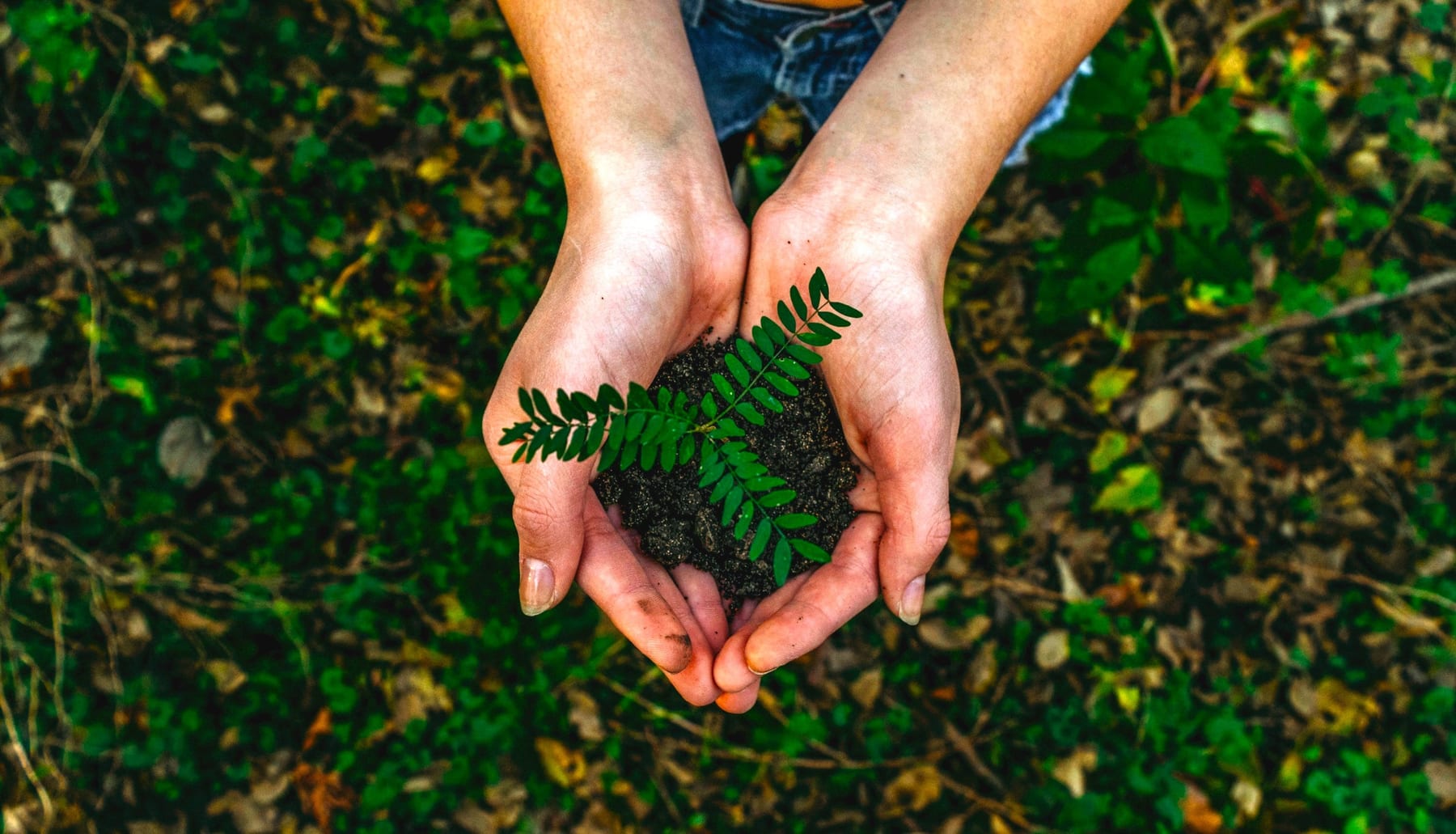
Hands holding soil and a young green plant
Pillar

Planet

We strive for a world in balance where the needs of humanity and nature are in harmony. One that fulfills the needs of our generation without undermining the ability of future generations whilst conserving and enhancing our natural resources. It's a common misconception that leather is not sustainable, on the contrary, the environmental friendliness of faux leather is certainly concerning.
A person standing barefoot on a stone in flowing water
Pillar

People

Providing employment opportunities is one way that a business can contribute to sustainability, both economically and socially. When a business provides jobs, it helps to support the local economy and creates financial stability for individuals and families. This can lead to a more robust economy, reduced poverty, and improved quality of life for the community.

A hand holding a coin against a green landscape
Pillar

Profit

Sustainability in business also involves making decisions that take into account the long-term impact on the employees, and other stakeholders, rather than just focusing on short-term profits. In this way, a sustainable business can ensure its future success and stability while also contributing to a better world.

The Full Life Cycle

Made to last well beyond our lifetimes

Lastly, leather is made to last, well beyond our lifetimes.

This very attribute has kept the craft alive for thousands for years.

Leather’s full life cycle has a low carbon and water footprint when considering the duration of the product life. Leather reduces waste, the need for frequent replacement as well as the demand for new products. Leather can further be recycled, re-used or repurposed when it reaches the end of its life extending its lifespan further. When it eventually rejoins the soil after its exceptionally long life, leather, with its natural origins, returns to the earth with graceful swiftness, unlike synthetic materials that persist as stubborn remnants for centuries.

Leather is luxury that doesn’t cost the earth.